Did you know?
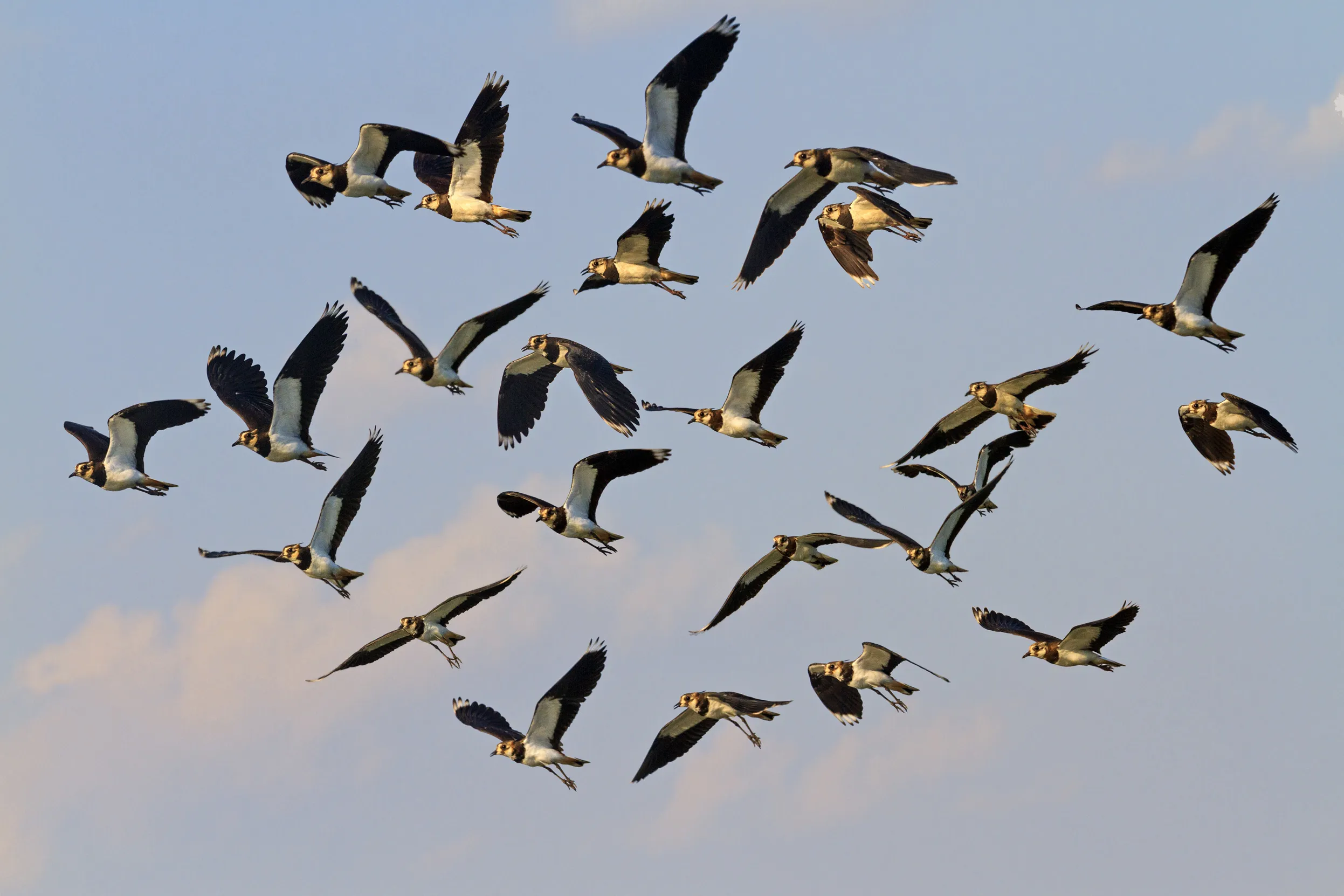
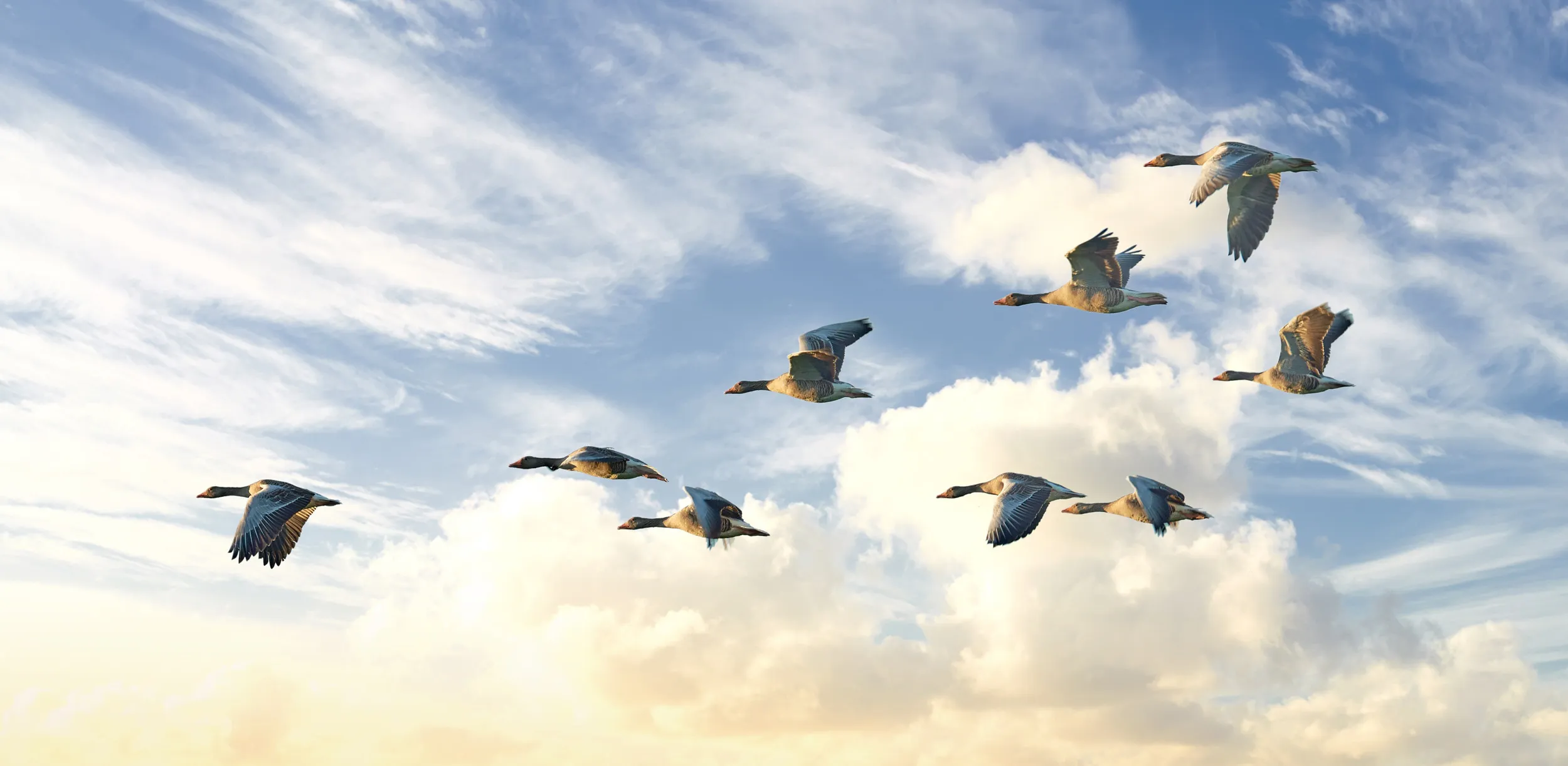
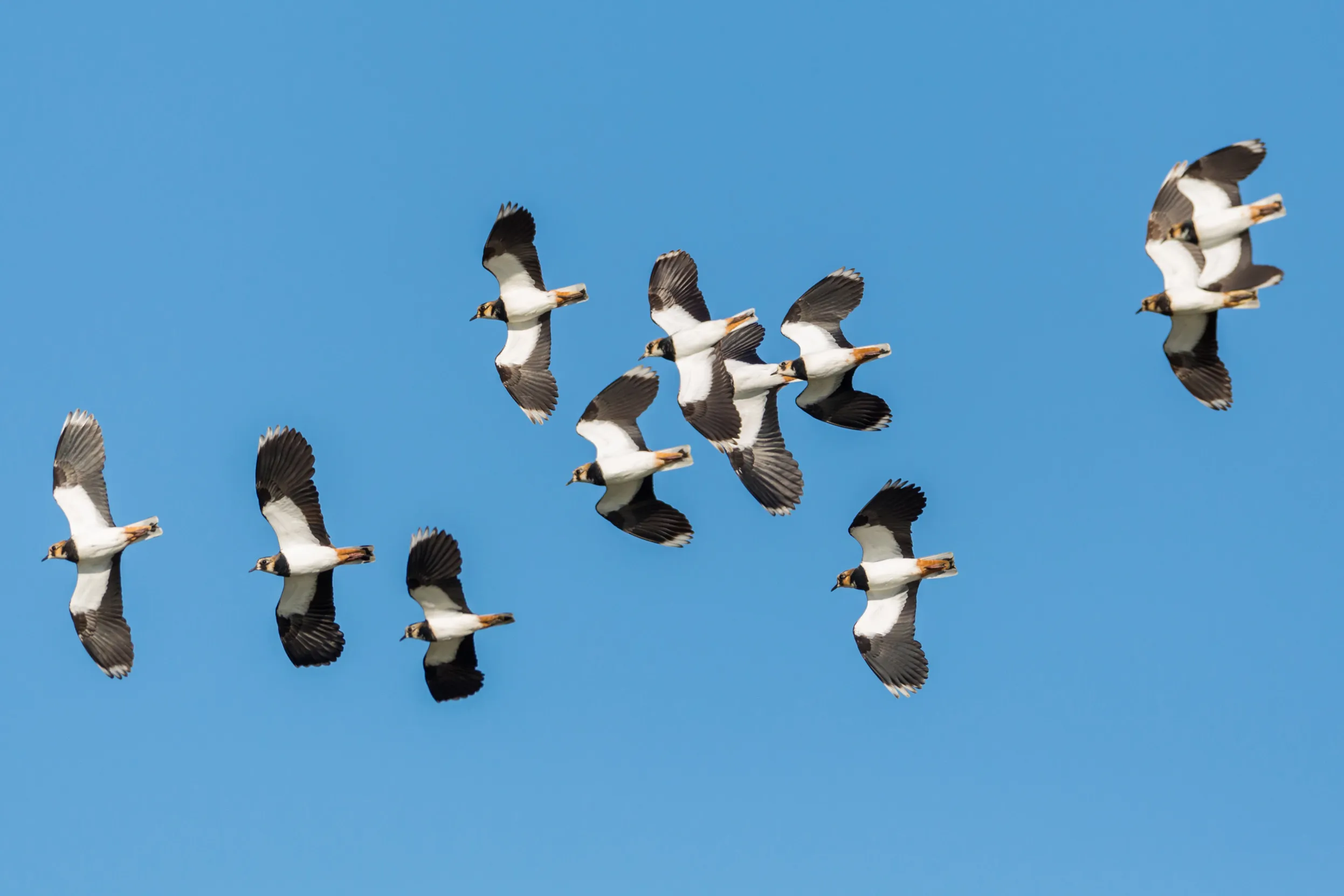
The name ‘lapwing’ relates to the way they fly – zigzagging through the skies. In the breeding season, the males really go to town with a tumbling and zooming flight to impress the females.


The name ‘lapwing’ relates to the way they fly – zigzagging through the skies. In the breeding season, the males really go to town with a tumbling and zooming flight to impress the females.
Sadly, numbers of Lapwings have declined by 56% between 1995-2024. Part of this decline is due to changes in agriculture, so we’re working with farmers to create the best possible conditions for them to thrive. This involves maintaining suitable nesting habitats, and looking out for Lapwing nests when using large machinery.

Yes, you better believe it, Bird of the Year (BoTY) is back for 2026!
Returning semi-finalist the Lapwing is back in the running, but can it claim the crown? Vote now for your 2026 bird of the year!
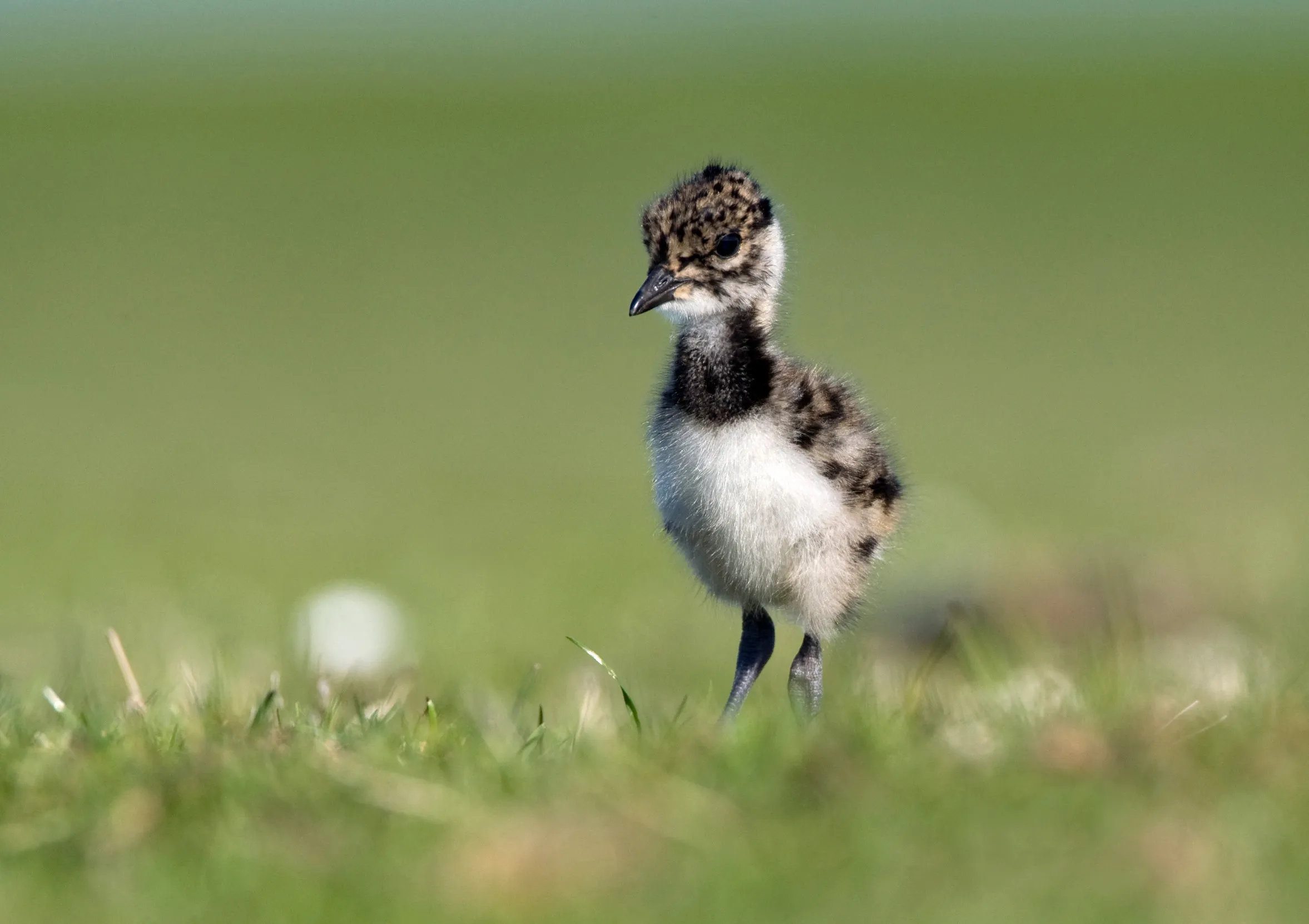
Lapwings breed between mid-March and June. They nest on spring-tilled arable land or on short grassland with a low stocking rate. Birds with arable nests often walk their chicks onto grazed pasture to feed.
Lapwings feed mainly on earthworms, leatherjackets, insects and their larvae. They generally feed where they can find lots of these, such as in grazed pasture. Wet grassland is a particularly important source of food.
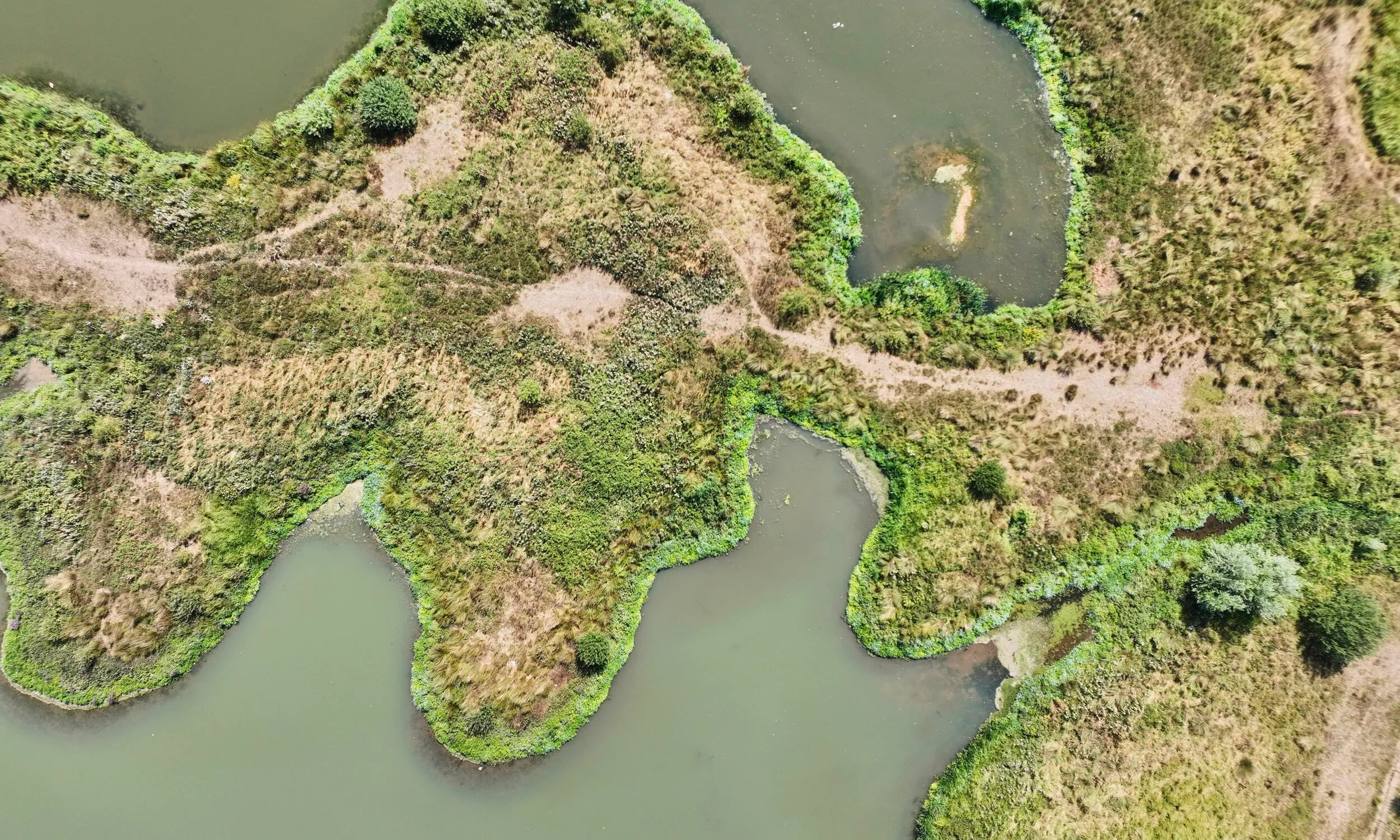
Peatlands, wet grasslands and machair provide vital homes for a range of wildlife, including Lapwings, Curlews, Hen Harriers and Marsh Fritillary butterflies. Many of these habitats are under threat from drainage, inappropriate grazing, lack of management and climate change.


Brilliant birds, month by month: what to see and where to go.
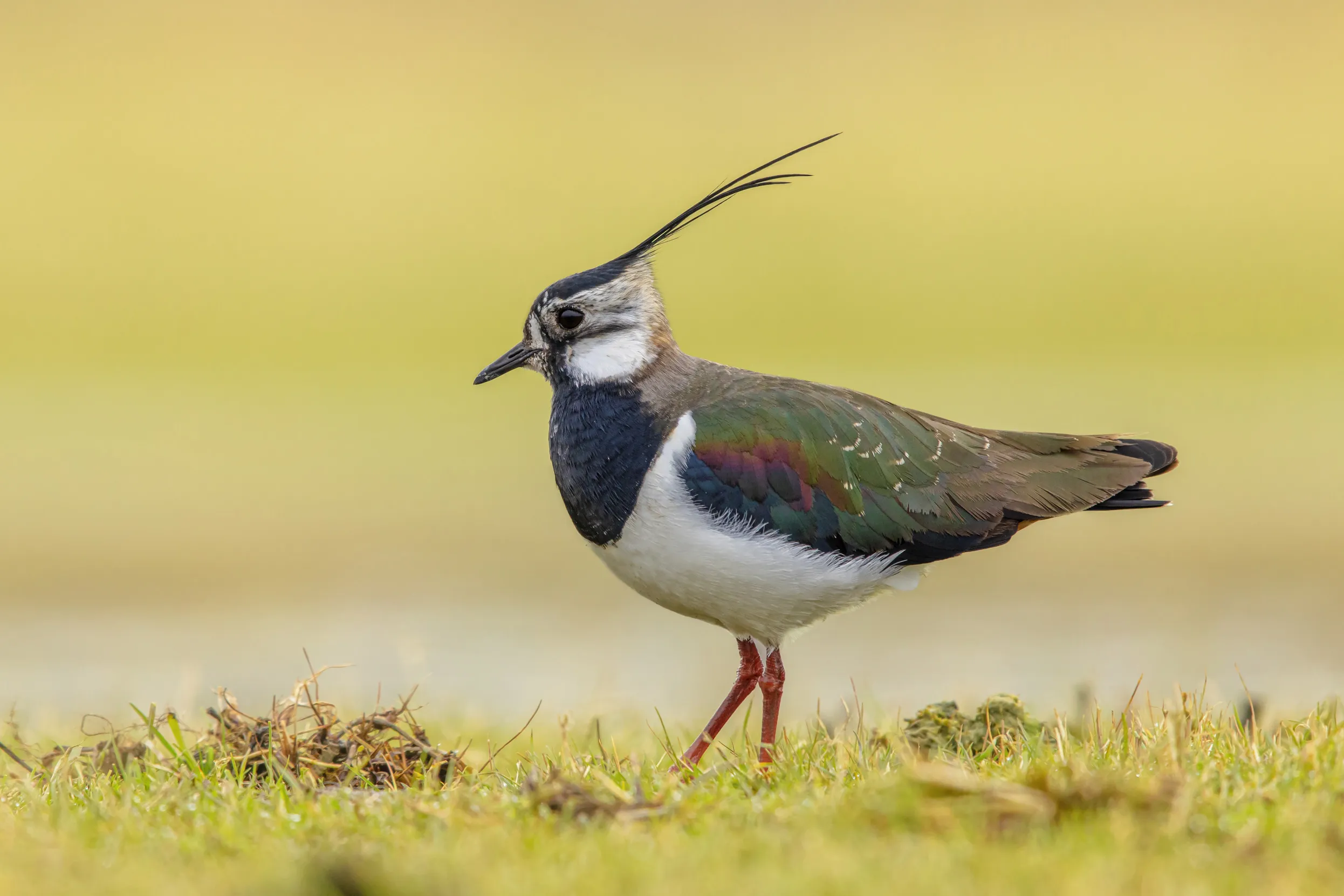
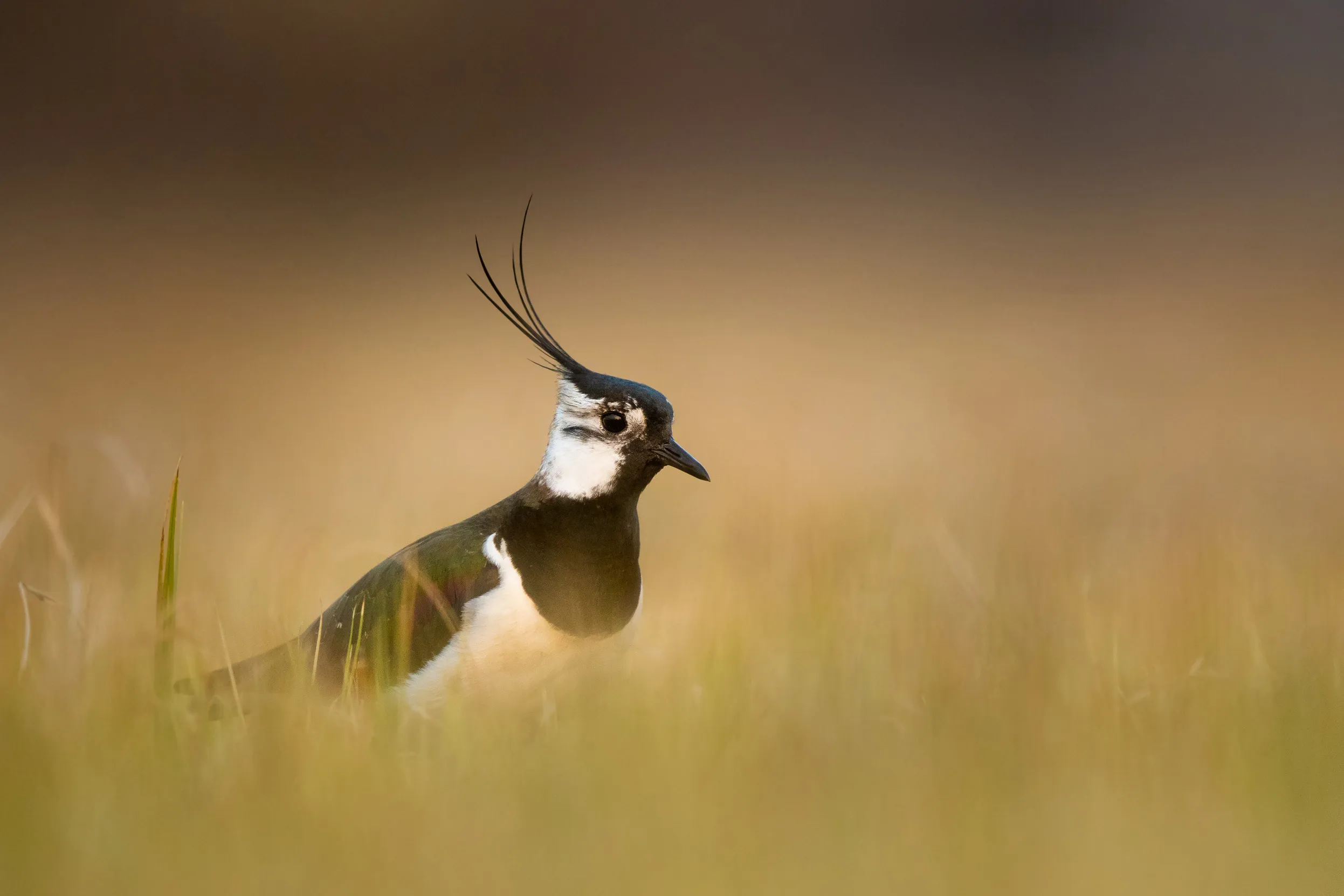
They are a medium sized wader with broad, rounded wings. They have a dark, metallic green back and black breast. Adults have a long crest on the back of the head which can separate them from other waders. Their flight can appear quite floppy. Listen out for their electronic-sounding pee-wit call.
Lapwings eat a variety of invertebrates they find in and around the ground such as earthworms, leatherjackets, beetles and ants. Small frogs, snails and some plant materials will also be taken.
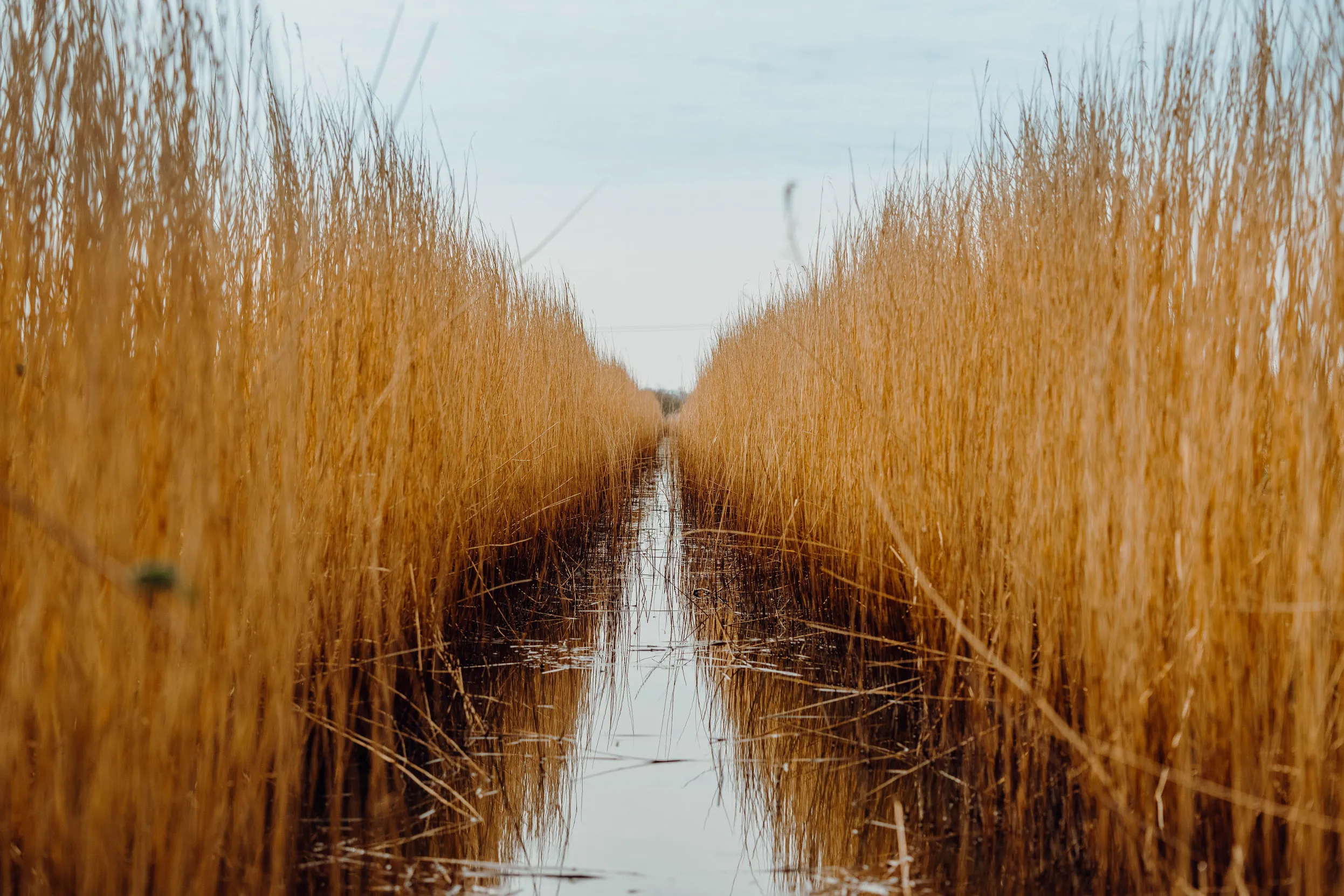
They are a widespread breeding bird, breeding mainly on farmland, wet grassland, fens and marshes. Males will make several scrapes on bare ground and the female will choose one to then line with grass and leaves.
March - June, having just one brood.
The average age for Lapwing is five years but the oldest ringed bird on record lived to 21!
Lapwings breeding in the UK are partial migrants. Many remain through the winter, but some migrate. Severe cold weather can also cause populations on the Continent to move from traditional wintering areas to the UK. In winter they will be seen more within lowland farmland and estuaries, and in cold weather will move to coastal areas.
They are a widespread in the UK but unfortunately their breeding population has declined by 56% between 1995-2024, making them a Red Listed species.








.jpg)